
Vietnam Visa for China Citizens: The Complete 2026 Guide to the 90-Day E-Visa
Planning a quick business trip from the commercial hubs of Shanghai or Shenzhen to Ho Chi Minh City, or arranging a holiday from Beijing or Guangzhou to the coastal resorts of Da Nang? For citizens of the People’s Republic of China (PRC), crossing the border seamlessly requires aligning your paperwork with updated immigration protocols.
In 2026, the diplomatic and immigration pathways to Vietnam operate on a completely digital framework. Traditional pre-arranged “Visa on Arrival” (VOA) approval letters have been completely phased out for independent tourists. Today, the 90-day Vietnam E-visa (offered for both single and multiple entries) stands as the official, 100% digital legal standard for Chinese passport holders.
While the online application portal promises efficiency, the system contains rigid compliance filters. A single data misalignment or technical passport mismatch will cause an automatic rejection at the border check-in desk. This guide breaks down the essential technical strategy and emergency workarounds needed to guarantee your crossing.
1. Requirements: The 2026 E-Visa Framework for Chinese Citizens
The Vietnamese Immigration Department officially grants electronic visas valid for a maximum stay of up to 90 days. This system covers both standard tourism and business itineraries.
During your digital application, you must choose the specific visa structure that aligns with your travel goals:
Single-Entry E-Visa: Best for vacationers taking a direct, continuous trip within Vietnam’s borders.
Multiple-Entry E-Visa: The ultimate choice for corporate professionals and regional travelers. This allows you to fly between China and Vietnam multiple times or cross into neighboring hubs like Thailand, Laos, or Cambodia and return without filing a brand-new application.
The Electronic Passport (E-Passport / New Version) Notice:
If you hold the newer Chinese electronic passport (passport numbers starting with E), ensure your digital passport upload is exceptionally clear. The system scans the integrated chip data fields directly, so high-resolution, glare-free scans of your bio-data page are mandatory to bypass automatic verification loops.
2. Emergency Airport Rescue: Denied Boarding at PVG, PEK, or CAN?
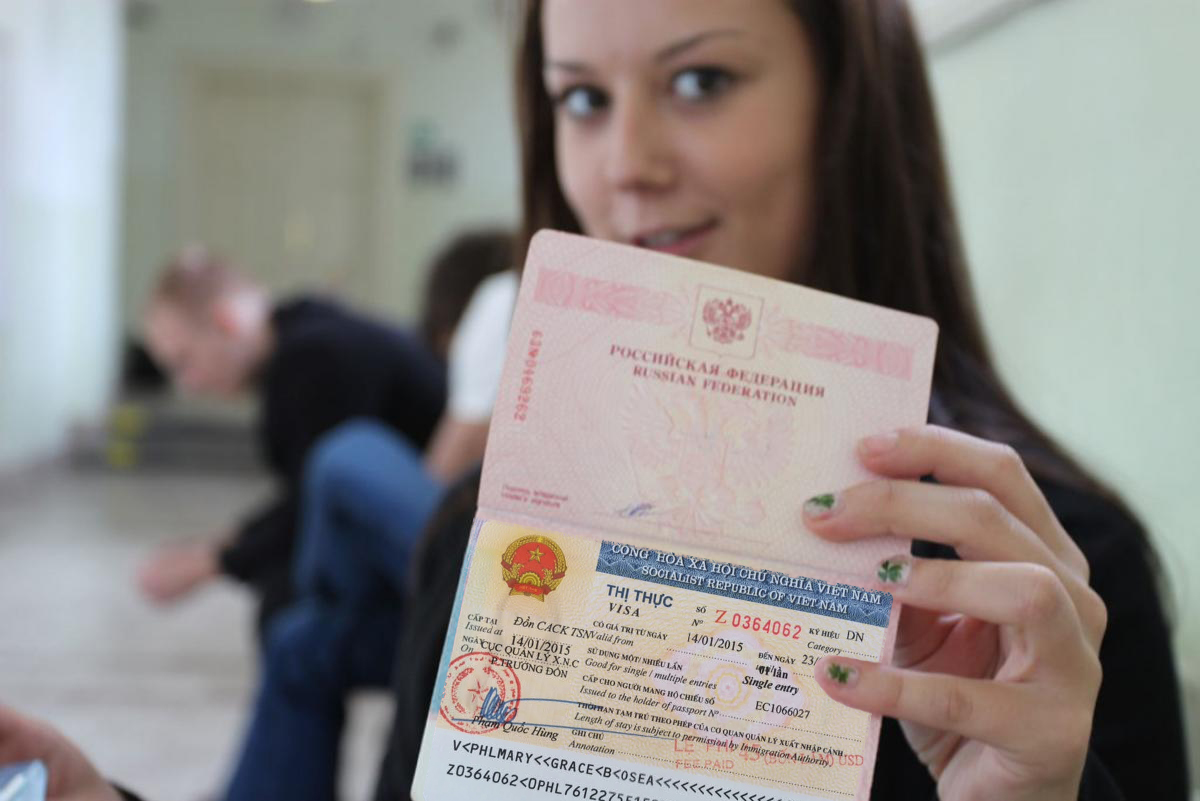
The absolute most stressful travel disruption occurs directly at the airline check-in counter. You arrive at Shanghai Pudong International Airport (PVG), Beijing Capital International Airport (PEK), or Guangzhou Baiyun International Airport (CAN) with your bags packed. The gate agent reviews your passport, looks at your E-visa document, and spots a critical error—a typo in your passport number, a reversed name order, or an unapproved status trapped in a public backlog. They refuse to issue your boarding pass.
Standard public government processing lines take 3 to 5 business days to resolve errors, meaning you risk missing your flights, crucial corporate meetings, and non-refundable resort bookings.
Our specialized Super Urgent Vietnam Visa Service operates as your immediate airport rescue lifeline:
2 to 4-Hour Urgent Clearances: We secure 100% legal, officially registered immigration approval while you wait at the terminal.
Flight-Saving Velocity: Your application is fast-tracked directly through internal priority channels before your flight’s boarding gate closes.
Real-Time Intervention: We bypass automated loops and generic bot queues to correct system mismatches instantly, saving your travel investment.
💡 Expert Insight from Stanley Ho: “Over my 20+ years handling travel logistics, the most frequent disruption occurs at the check-in desk due to simple application formatting errors. If you are stuck at the airport and denied boarding, don’t panic—our emergency team can secure a new E-visa clearance through priority channels within hours, saving your flight.”
3. Critical Passport & Pinyin Naming Nuances for Chinese Applicants
The government’s processing network is entirely automated and highly sensitive to data mismatches. Human review is essential to avoid specific formatting traps common to Chinese passports that trigger automatic rejections from immigration software:
Surname and Given Name Reversal: Pinyin naming structures often confuse Westernized digital systems. If your passport reads Wang Xiaoming, “Wang” must be strictly placed in the Surname field, and “Xiaoming” in the Given Name field. Reversing these inputs will flag an automatic data mismatch at border control.
Spacing in Given Names: Do not insert a space between two-character given names (e.g., enter Xiaoming, not Xiao Ming). The characters must match the exact continuous string shown in the machine-readable section of your passport.
Strict Port Boundary Rules: Your electronic visa legally binds you to a specific arrival port (such as Tan Son Nhat Airport in Ho Chi Minh City or Noi Bai Airport in Hanoi) that you declare during registration. Attempting to enter through an alternate, unlisted checkpoint due to a last-minute flight change will make your visa completely invalid.
4. Bypass the Crowds: Upgrade to VIP Airport Fast-Track
Securing your visa gets you onto the plane, but landing at high-traffic entry gateways in Vietnam after your flight from China means facing hours of standing in public immigration lines. Peak arrival waves can result in slow-moving public queues that easily take up to two hours of your time.
Our premium VIP Airport Fast-Track Service completely upgrades your arrival experience:
[Arrival Gate] ➔ [Met by Personal Concierge] ➔ [Bypass Lines to Diplomatic Lane] ➔ [Instant Stamp] ➔ [Express Exit]
A dedicated local assistant meets you directly at the aircraft gate holding a personalized name sign. They walk you completely past the general public lines and through the exclusive, restricted Diplomatic/Fast-Track Priority Lane. We manage your passport stamping procedures on the spot and coordinate your baggage collection, getting you past the airport perimeter in under 10 minutes.
5. Secure a Flawless Application on the First Try
Navigating international immigration shouldn’t feel like an administrative gamble. While you can attempt to manage the online portal independently and risk unexpected processing bottlenecks or data entry mistakes, our local immigration specialists review every document manually, eliminate formatting vulnerabilities, and guarantee your 90-day tourist or business E-visa is issued perfectly on time.
Don’t let a minor clerical error halt your journey to Vietnam. Connect with our professional team and secure your official entry today.
About the Reviewer: Stanley Ho is the CEO of VisaOnlineVietnam and a recognized expert consultant in the international aviation and travel service industry. With decades of experience navigating complex immigration regulations, Stanley and his team specialize in providing seamless visa solutions, fast-track airport services, and emergency travel assistance for global citizens visiting Vietnam.