The Ultimate Guide on How to Get Vietnam Visa in Thailand – Simplify Your Journey to Southeast Asia
If you’re planning a trip to Vietnam from Thailand, understanding how to get Vietnam visa in Thailand is essential. Whether you’re traveling for leisure, business, or visiting family, navigating visa procedures can seem complex. This comprehensive guide aims to demystify the process, providing expert insights, practical tips, and clear steps to help you obtain your visa smoothly and efficiently. Embrace your journey with confidence—learn everything you need to know about securing your Vietnam visa in Thailand today.
Understanding the Various Vietnam Visa Options in Thailand – Your Gateway to Seamless Travel
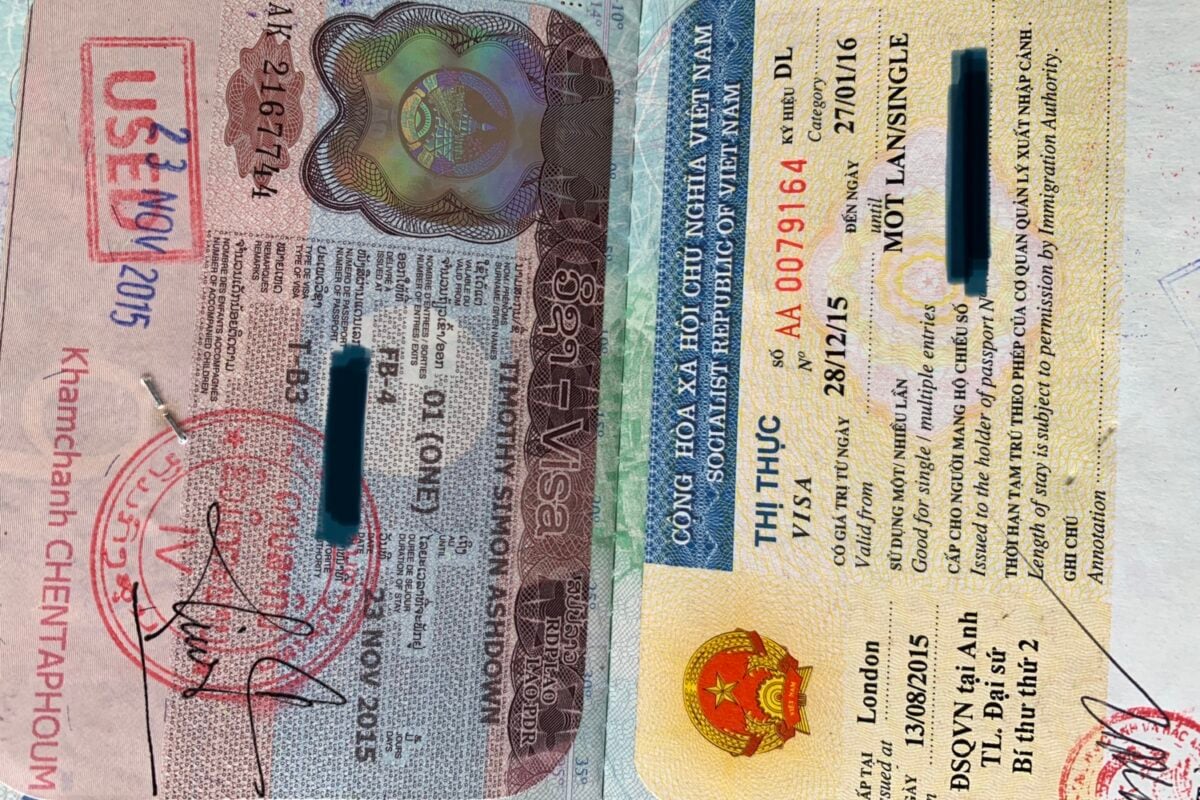
Traveling to Vietnam requires proper visa documentation, but the options available can vary based on your nationality, travel purpose, and duration of stay. Knowing which visa type suits your needs is fundamental to a smooth application process. When exploring how to get Vietnam visa in Thailand, it’s vital to first understand the different types of visas, their requirements, and the best methods for application.
Vietnam offers multiple visa categories, including tourist visas, business visas, official visas, and transit visas. Each of these serves specific traveler needs and involves different procedures for application. Particularly for travelers in Thailand, the most common methods are applying via the Vietnamese embassy or consulate, using visa on arrival services, and e-visa options where eligible.
Navigating these options requires careful planning. For travelers who prefer in-person application, visiting the Vietnamese embassy in Bangkok or its consulate offers a straightforward route. Conversely, if you seek faster processing, online applications for e-visas or visa approval letters for the visa on arrival are increasingly popular choices. Understand the advantages and limitations of each method to select the most efficient solution tailored to your travel plans.
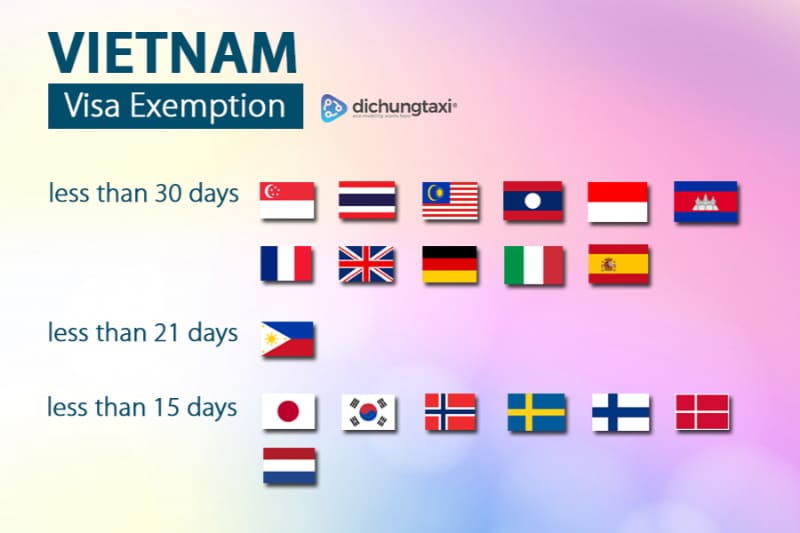
Furthermore, your nationality plays a significant role. Citizens from certain countries are eligible for e-visas and visa exemptions, which significantly streamline your travel preparations. However, for most travelers from Thailand, obtaining a Vietnam visa involves at least one formal application process.
It’s also vital to recognize the importance of proper documentation, such as a valid passport, visa application forms, passport-sized photographs, and proof of travel arrangements. These are fundamental components regardless of your chosen method. By understanding these options and requirements, you position yourself to get your Vietnam visa in Thailand with maximum efficiency.
Step-by-Step Process on How to Get Vietnam Visa in Thailand – Your Practical Roadmap
Now that you’re familiar with the types of visas and the options available, it’s crucial to understand the precise steps involved in applying for a Vietnam visa from Thailand. Proper organization, adherence to procedures, and awareness of timelines can make the difference between a smooth experience and last-minute hassles.
The process generally involves preparing the necessary documents, choosing the appropriate application method, submitting your application, and awaiting approval. Knowing what to expect at each phase ensures you’re not caught unprepared.
First, gather your essential documents—passport with at least six months of validity, passport-sized photos, completed visa application forms, and proof of travel plans. For online methods such as e-visas, additional documentation may include scanned copies of your passport biodata page.
Next, select your preferred application route. For those opting for the Vietnamese embassy or consulate, you need to physically visit or mail your documents, which often entails scheduling appointments and paying fees. Alternatively, applying online via official government channels or authorized visa agencies can simplify your process, especially if you are pressed for time.
Once your application is submitted, the wait begins. Processing times can range from a few business days to over a week, depending on the application method and the current workload of the embassy or online platform. It’s wise to apply well in advance of your intended travel date to avoid last-minute complications.
Finally, upon approval, you will receive your visa sticker, or if applying online for a visa approval letter, you’ll need to print it out and present it upon arrival in Vietnam. Remember, some entry points require visa sticker submission prior to arrival, while others permit visa on arrival options with an approval letter.
A key tip to expedite the process is to double-check all forms for accuracy and ensure your documents meet the specific requirements of your chosen application method. This meticulous preparation often results in faster approval and fewer issues during your trip. By following these steps, you’ll confidently secure your Vietnam visa in Thailand.
Best Practices and Tips for Successfully Securing Your Vietnam Visa from Thailand
Applying for a visa can sometimes be daunting, especially when dealing with international bureaucracy and different procedures. To maximize your chances of a smooth application process when figuring out how to get Vietnam visa in Thailand, consider these expert tips and best practices.
First, plan your application well in advance of your departure date. Visa processing times can vary, and last-minute applications often face delays or denials. Starting early allows for adjustments and ensures you have ample time to gather all necessary documentation. It also provides room for troubleshooting in case of missing or incorrect information.
Second, double-check all your paperwork for accuracy. Inaccurate or incomplete application forms lead to delays or rejection. Verify that your passport has sufficient validity and that photos meet the specified size and background requirements. For online applications, ensure proper file formats and clear scans.
Third, choose a reliable visa service or consulate/embassy for your application. There are numerous third-party agencies offering visa assistance, but working directly with official government portals or embassies reduces the risk of scams. Comparing reviews and seeking recommendations can help you select trustworthy providers.
Additionally, take note of visa fees and how they are paid. Some methods accept cash, others credit/debit cards, and some online platforms may require electronic transfer. Clarifying the payment mode beforehand prevents unnecessary delays or complications.
For travelers on a tight schedule, utilizing the Vietnam visa on arrival option is highly convenient—especially if you have an approved visa letter before departure. This method requires prior approval but allows for quick processing upon arrival, saving time and money. However, ensure you have all required paperwork and sufficient funds for stamping fees.
Lastly, keep copies of all documents, including application forms, payment receipts, and approval letters. In case of lost or damaged documents, having copies allows you to quickly reapply or clarify issues with authorities.
Adhering to these best practices not only simplifies the process but also enhances your confidence and security. Remember, thorough preparation is your best tool to seamlessly get your Vietnam visa in Thailand and enjoy your trip with peace of mind.
FAQs on How to Get Vietnam Visa in Thailand – Essential Answers for Travelers
Do I need an appointment to apply for a Vietnam visa in Thailand?
Most Vietnamese embassies and consulates in Thailand accept walk-in applicants, but during peak seasons or for certain visa types, making an appointment is recommended. Online scheduling or contacting the embassy beforehand can save time and ensure smooth processing.
Can I get a Vietnam visa on arrival if I am in Thailand?
Yes, travelers can apply for a visa on arrival by first obtaining a visa approval letter via authorized agencies or online platforms. Once approved, you can present the letter at designated entry points in Vietnam to receive your visa stamp.
How long does it take to get a Vietnam visa in Thailand?
Processing times depend on the visa method chosen. Typically, an in-person embassy application takes around 3 to 7 business days. For online visa applications or visa on arrival approval letters, processing may be completed within 2 to 4 business days.
What are the costs associated with obtaining a Vietnam visa in Thailand?
Visa fees vary based on the type of visa, processing method, and duration. For example, a single-entry tourist visa might cost between $25 and $50 USD, excluding service or express fees if applicable. Always verify current costs from official sources or trusted agencies.
Is it easier to apply for a Vietnam visa online or in person from Thailand?
Online applications, such as e-visas and visa approval letters, often offer a faster and more convenient process, especially for those with busy schedules. However, in-person applications through the Vietnamese embassy can be more straightforward for certain visa categories and for travelers who prefer direct consultation.
Conclusion
Navigating how to get Vietnam visa in Thailand involves understanding your options, preparing thorough documentation, and choosing the appropriate application method. Whether opting for an online visa, visa on arrival, or in-person embassy application, meticulous planning and adherence to guidelines ensure a smooth process. With the right preparation, travelers can streamline their journey, avoid unnecessary delays, and enjoy their trip to Vietnam with confidence. By familiarizing yourself with the procedures, costs, and requirements outlined in this guide, you are well-equipped to embark on your Southeast Asian adventure seamlessly.