Which Border Gates Accept Vietnam eVisa 2026 – Your Ultimate Guide to Seamless Entry
Planning a trip to Vietnam with an e-visa in 2026? If so, one of the most crucial pieces of information you need is which border gates accept Vietnam eVisa 2026. This knowledge will ensure a smooth travel experience, avoiding unexpected delays or entry issues. As Vietnam continues to innovate its immigration processes, understanding your authorized entry and exit points in 2026 remains vital. This comprehensive guide covers the latest updates on border crossings that honor e-visas, helping travelers plan their journeys confidently and efficiently.
Vietnam e-Visa Border Gates: Updated List for 2026
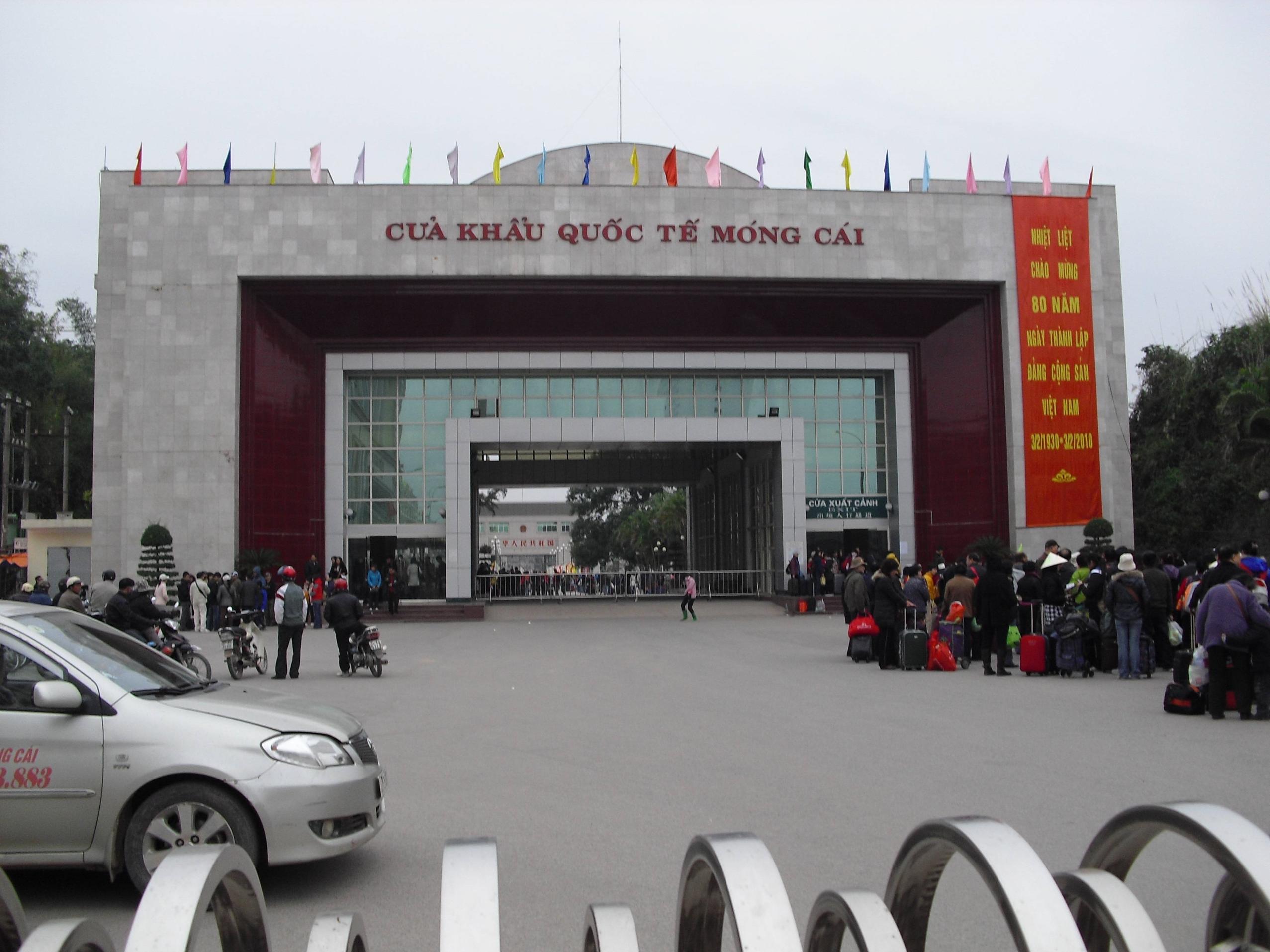
In 2026, Vietnam has expanded and modernized its border infrastructure to accommodate growing tourism and business travel. The list of border gates that accept Vietnam eVisa has become more comprehensive, reflecting the country’s commitment to tourism facilitation. Major gateways like Tan Son Nhat International Airport and Noi Bai International Airport remain prominent, but several land border crossings have also been designated for e-visa holders. This updated roster is essential for travelers who wish to maximize convenience and avoid surprises upon arrival.
The updated list indicates both international airports and border crossings where e-visa holders are welcome. Notably, certain seaports and land borders have been prioritized, aligned with Vietnam’s strategic development plans to promote multi-modal entry points. For travelers, knowing these specifics not only speeds up immigration procedures but also provides flexibility in choosing the most suitable entry point based on their travel itinerary. As Vietnam continues to position itself as a top travel and investment hub, such developments underline its commitment to facilitating international visitors.
Navigating Vietnam’s Entry Points: e-Visa Acceptance in 2026
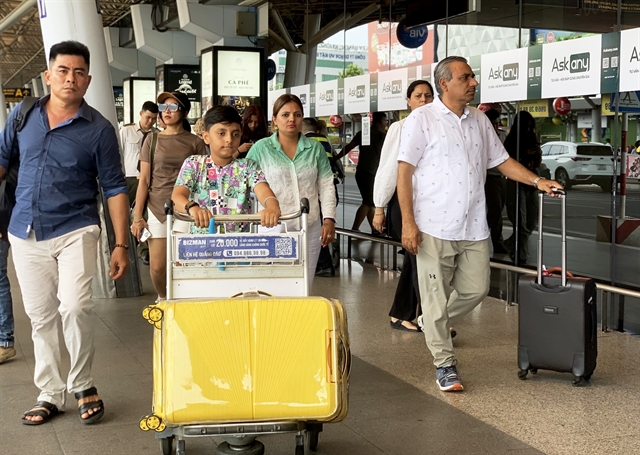
Understanding where you can enter Vietnam with an e-visa in 2026 requires familiarity with the jurisdictional policies and operational statuses of various border gates. International airports such as Tan Son Nhat, Noi Bai, and Da Nang are still the primary gateways widely accepted for e-visa entry, offering ease of travel for tourists arriving by air. On the other hand, several border crossings with neighboring countries are now included in the list, making cross-border overland trips more accessible and appealing for travelers seeking adventure or business opportunities.
It is crucial for travelers to keep in mind that not all border gates accept the Vietnam eVisa in 2026. Authorized border crossings undergo strict regulation, and travelers are advised to verify the current policies before planning their route. Additionally, seasonal factors, diplomatic relations, and infrastructure upgrades can influence acceptance. Therefore, staying updated on official government sources and consulting with travel agencies before departure is highly recommended. Navigating these specific entry points effectively ensures a hassle-free experience and demonstrates respect for the country’s immigration protocols.
2026 Travel to Vietnam: Which Border Crossings Honor Your e-Visa?
As Vietnam gears up for a vibrant 2026 tourism season, many travelers wonder about the exact border crossings that honor their e-visa. Major international airports remain the most straightforward and reliable options, but several land and sea border gates are now also approved for e-visa holders. For instance, the Moc Bai International Border Gate with Cambodia and the Ha Noi-Lao Cai border crossing provide excellent options for overland travelers entering from neighboring countries.
Having this clarity matters because overland border crossings often involve different processing times and requirements. The inclusivity of these gates, acknowledged in the latest regulations, allows for more flexible travel routes—whether for tourism, business, or family visits—making Vietnam accessible from multiple borders. Travelers should keep their e-visa approval documents handy and adhere strictly to border protocols to avoid any complications during their entry or exit process. As the list of approved crossings expands, it reflects Vietnam’s dedication to becoming a more welcoming destination globally.
Comprehensive Guide: Vietnam e-Visa Approved Border Gates for 2026
This section provides a detailed overview of all border gates that accept Vietnam eVisa in 2026, ensuring travelers are well-informed about their options. The key airports—Tan Son Nhat (Ho Chi Minh City), Noi Bai (Hanoi), and Da Nang—are universally accepted, providing a swift passage for air travelers. Alongside airports, land border crossings such as Moc Bai (Cambodia), Lao Cai (Lao People’s Democratic Republic), and Ha Long Bay points have been officially authorized for e-visa entry, facilitating overland travel.
Moreover, Vietnam has made strides to include seaports in some regions, allowing cruise passengers and maritime travelers to enter using their e-visas. Yet, it’s vital to confirm specific border gate policies ahead of travel, as approvals can change with diplomatic updates or infrastructural enhancements. Having an official, current list ensures seamless border crossings, minimizes delays, and maximizes your travel experience. Planning ahead by verifying these details is crucial for a successful journey into Vietnam in 2026.
Vietnam e-Visa 2026: A Closer Look at Designated Entry and Exit Points
The designated entry and exit points for e-visa holders in Vietnam encapsulate the country’s progressive approach to international travel facilitation. In 2026, the government has provided a clear framework for where visitors with valid e-visas can enter or leave Vietnam, with a focus on streamlining procedures at major transport hubs. This policy not only enhances traveler convenience but also boosts Vietnam’s reputation as an accessible and traveler-friendly destination.
Examining these points closely reveals the intention behind such infrastructure and policy improvements—reducing congestion, increasing transparency, and improving border security. For example, airports like Tan Son Nhat and Noi Bai are equipped with dedicated e-visa counters that expedite processing, while land borders such as the Moc Bai and Cau Treo welcome e-visa holders through dedicated lanes. Recognizing these designated points also encourages travelers to plan their itineraries accordingly, making sure they utilize the most appropriate border crossing based on their travel route, thereby ensuring a hassle-free entry into Vietnam.
Planning Your Vietnam Trip: Key Border Gate Information for e-Visa Holders in 2026
Proper planning is essential when traveling with an e-visa, especially in a rapidly evolving geopolitical landscape like Vietnam’s. Knowing which border gates accept Vietnam eVisa 2026 is only part of the equation; understanding operational hours, processing times, and additional requirements further contributes to a smooth experience. It’s advisable to have digital or printed copies of your e-visa approval handy along with travel documents and proof of onward travel.
Furthermore, travelers should keep abreast of any recent policy updates or border regulations. For example, seasonal fluctuations, ongoing infrastructure projects, or diplomatic considerations can influence border gate operations. Ensuring your travel route aligns with officially approved entry points can save valuable time and reduce stress. Additionally, contacting local embassies or consulates in advance provides reassurance and clarity. With thorough preparation aligned with the latest border gate details, visitors can relax and enjoy their journey into Vietnam, confident in their understanding of the entry process.
Entering Vietnam with an e-Visa: Border Gate Regulations and Updates for 2026
Entering Vietnam with an e-visa involves adhering to specific regulations designed to facilitate smooth customs and immigration clearance. For 2025, these regulations emphasize strict compliance with visa validity dates, purpose of visit, and length of stay. It’s important to verify that your chosen border gate is both accepting e-visas and equipped to process travelers from your country. Compliance ensures that travelers avoid unnecessary delays or the risk of denial.
The regulatory environment continues to evolve, with additional border gates being approved for e-visa entry and new procedures possibly being introduced to enhance efficiency. Travelers should stay informed about these updates via official government portals or trusted travel agencies. Ensuring all documentation is accurate and complete—including your e-visa authorization, passport validity, and relevant health or quarantine documentation—will streamline your journey. As Vietnam’s border policies adapt, being well-informed will be your best tool for a seamless and enjoyable entry into the country.
Maximize Your Vietnam e-Visa: Understanding Accepted Border Gate Locations in 2026
Maximizing your experience with Vietnam’s e-visa system in 2025 requires more than just knowing where you can enter; it’s about understanding how to leverage recognized border gates to suit your travel plans. Whether arriving via a major international airport or stepping across a land border, being strategic about your entry point enhances convenience and efficiency. For example, choosing an airport instead of a land crossing during busy seasons can significantly reduce wait times.
Additionally, being aware of the geographic distribution of approved border gates allows travelers to craft flexible itineraries—especially for those on multi-destination routes. Recognizing limitations and opportunities for each accepted entry point enables better planning regarding transportation, accommodation, and activities. This deep understanding helps travelers avoid complications and enjoy a smooth, comfortable experience as they explore Vietnam’s diverse landscapes and vibrant cities. Ultimately, embracing these insights ensures that your use of Vietnam’s e-visa system in 2026 is as advantageous as possible.
Conclusion
Navigating Vietnam in 2026 with an e-visa offers a promising, simplified travel experience, provided travelers are aware of which border gates accept Vietnam eVisa 2026. The latest updates highlight a growing network of designated entry and exit points—ranging from international airports and land crossings to some seaports—aimed at facilitating smooth border processing. Understanding these locations, alongside current regulations and operational considerations, allows travelers to plan more effectively, reducing delays and enhancing their overall journey. Staying informed through official sources and preparing documentation accordingly ensures a seamless transition into Vietnam’s vibrant landscapes, diverse cultures, and warm hospitality. With this comprehensive knowledge, you’re well on your way to making the most of your 2026 adventure into Vietnam.